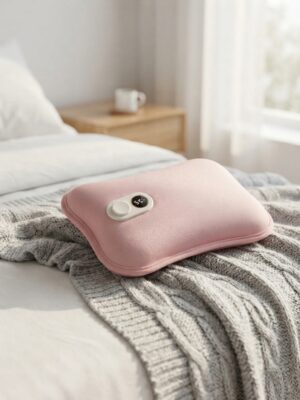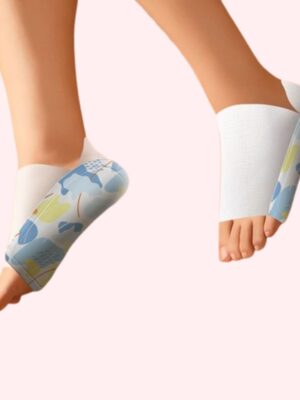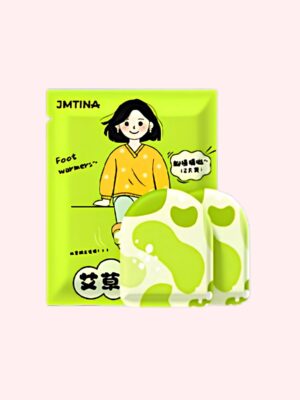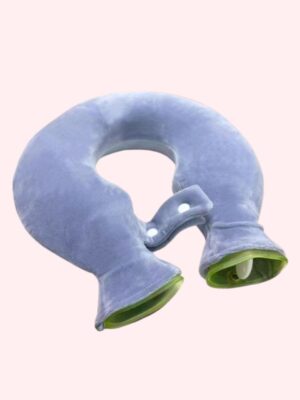
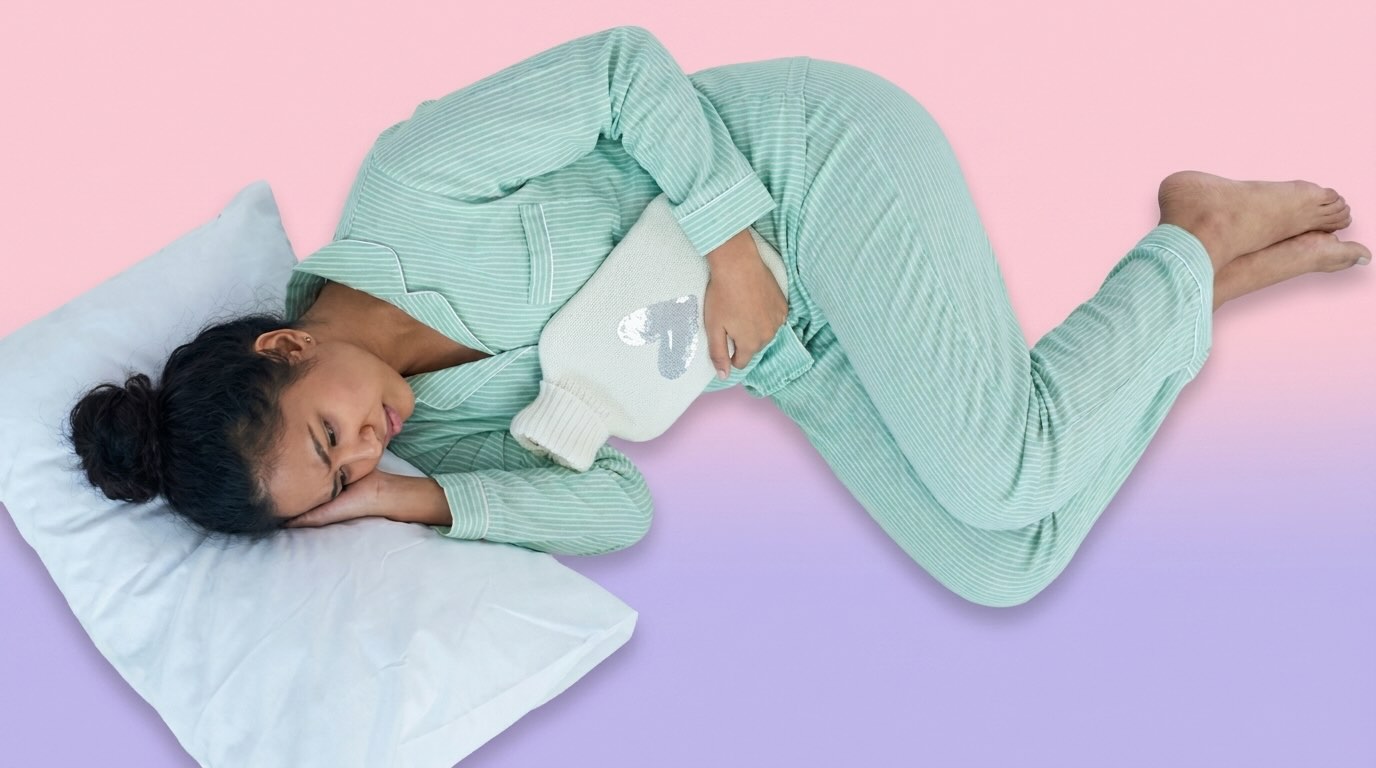
Using a heating pad every day can feel like a warm hug for a stubborn backache or stiff joints, but experts warn that even “good” heat can be too much of a good thing.
While generally safe for daily use to manage chronic pain, the secret lies in the “how” rather than the “how often.” Here is what the professionals have to say about keeping your daily heat habit safe.
1. The 20-Minute “Sweet Spot”
Most physical therapists and medical experts agree: your heating pad shouldn’t be a permanent fixture on your body.
“Apply the heat… for 10-20 minutes. This is the sweet spot—long enough to get the therapeutic benefits without overheating your skin,” advises the team at Physis Physiotherapy.
Think of it as a treatment session, not a lifestyle. Applying heat for too long can actually dry out your skin or, in some cases, cause low-grade burns that you might not even feel happening in the moment.
2. The Danger of “Toasted Skin”
Using a heating pad every single day in the same spot can lead to a condition with a name that sounds more like a breakfast order than a medical diagnosis: Toasted Skin Syndrome.
Officially known as Erythema Ab Igne, this is a net-like, brownish discoloration of the skin caused by chronic exposure to low-level heat.
- The Risk: It’s not a sudden burn; it’s a slow, cumulative damage to the tiny blood vessels under your skin.
- The Expert Take: According to Wikipedia’s medical entry, while often just a cosmetic issue, “in rare cases, chronic heat damage has been linked to skin cancer” if the source of heat isn’t removed.
3. Never, Ever Sleep on It
The “Golden Rule” of heat therapy is simple: Stay awake.
When you fall asleep, your body’s ability to sense rising temperatures drops significantly.
“Never fall asleep with a heat pad on. Your sensitivity to heat drops dramatically during sleep, which greatly increases the risk of serious burns,” warns Sunny Bay Wellness.
If you’re feeling drowsy, unplug the pad. Many experts recommend switching to a microwaveable gel pack or a cordless option for bedtime, as these naturally cool down over time, removing the risk of a constant heat source while you snooze.
4. The “Towel Barrier” Rule
You should never let a heating pad touch your bare skin directly.
Experts from Harvard Health emphasise using a barrier—like a towel or a layer of clothing—to distribute heat evenly.
They also note that moist heat (like a warm, damp towel) is often more efficient at transferring warmth into your muscles than the dry heat of an electric pad.
Expert Safety Checklist:
- Check the Temperature: Keep it around 113°F to 122°F. Anything higher risks immediate tissue damage.
- Inspect the Wires: Before plugging in, look for frays or cracks. An old heating pad is a fire hazard.
- Know When to Skip: Avoid heat on new injuries (less than 48 hours old), as it can worsen swelling and inflammation.
References
- Harvard Health. (2025). Cold versus heat for pain relief: How to use them safely and effectively. Health.harvard.edu.
- Physis Physiotherapy. (n.d.). Heat therapy advice from a physiotherapist. Physis.uk.com.
- Sunny Bay Wellness. (2025). Are Heat Pads Safe? A Guide to Using Them Effectively. Sunny-bay.com.